Achieve a Seamless Office Move with Expert Office Move Planning Tips
Moving your office can feel overwhelming. There are so many details to manage, from packing to setting up your new space. But it doesn’t have to be stressful. With the right office move planning tips, you can make the process smooth and even enjoyable. I’m here to share practical advice that will help you stay organized, save time, and avoid common pitfalls.
Office Move Planning Tips to Get You Started
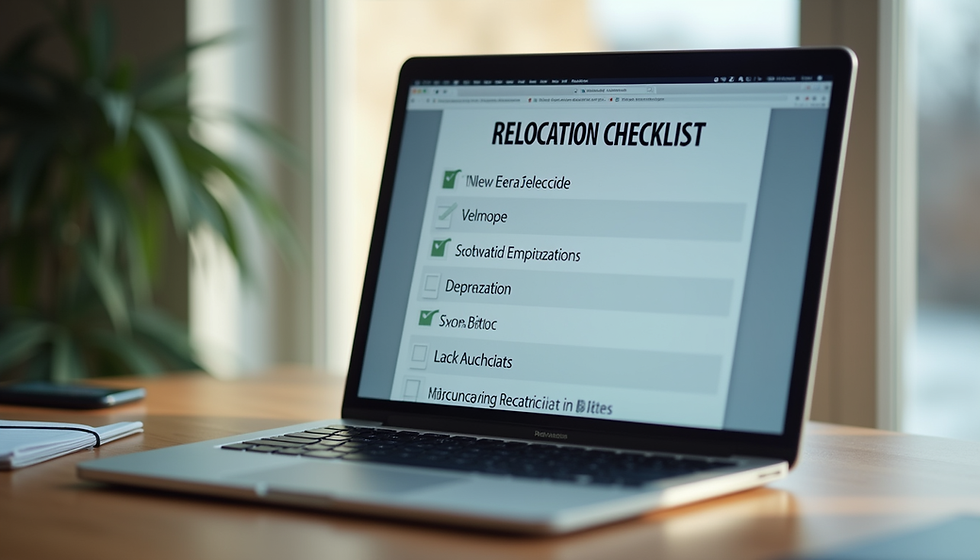
First things first: start planning early. The more time you give yourself, the better your move will go. Here’s a simple checklist to kick off your planning:
Set a timeline. Decide on your moving date and work backward to schedule tasks.
Create a budget. Know how much you can spend on moving supplies, labor, and downtime.
Assign a move coordinator. This person will keep everyone on track and communicate updates.
Notify your team. Keep employees informed about the move and what to expect.
Inventory your assets. List all furniture, equipment, and supplies to decide what moves and what doesn’t.
One of the best ways to reduce stress is to break the move into manageable steps. For example, start by sorting through old files and equipment you no longer need. This lightens your load and cuts costs.

Packing Smart: Tips for a Smooth Transition
Packing is often the most time-consuming part of any move. But it doesn’t have to be a headache. Here are some tips to pack smart and stay efficient:
Label everything clearly. Use color-coded labels or stickers for different departments or rooms.
Use quality packing materials. Invest in sturdy boxes, bubble wrap, and packing tape.
Pack by category. Group similar items together to make unpacking easier.
Protect sensitive equipment. Wrap computers, monitors, and fragile items carefully.
Keep essentials separate. Pack a “first-day” box with everything you’ll need immediately after the move.
Don’t forget to back up important digital files before moving any computers or servers. This extra step can save you from data loss.
How much does a relocation service cost?
Understanding the cost of a relocation service helps you budget wisely. Prices vary depending on several factors:
Distance of the move. Local moves usually cost less than long-distance ones.
Size of your office. More furniture and equipment mean higher costs.
Additional services. Packing, unpacking, and setup can add to the price.
Timing. Moving during peak seasons or weekends may be more expensive.
On average, a small office move can range from $1,000 to $5,000, while larger offices might spend $10,000 or more. It’s a good idea to get multiple quotes and ask for detailed estimates. This way, you know exactly what you’re paying for.
If you want to simplify the process, consider hiring professional office relocation services. They bring experience and resources that can save you time and headaches.

Setting Up Your New Office Efficiently
Once you arrive at your new location, the work isn’t over. Setting up your office quickly and efficiently is key to minimizing downtime. Here’s how to do it right:
Plan your layout in advance. Use floor plans to decide where desks, meeting rooms, and equipment will go.
Label cables and connections. This makes IT setup faster and reduces errors.
Unpack essentials first. Get phones, computers, and workstations ready before unpacking less critical items.
Test equipment. Make sure everything works before your team starts using it.
Communicate with your team. Keep everyone updated on progress and any changes.
A well-organized setup helps your team get back to work faster and keeps morale high.
Tips for Minimizing Downtime and Disruption
Nobody wants their business to grind to a halt during a move. Here are some strategies to keep things running smoothly:
Move during off-hours or weekends. This reduces impact on daily operations.
Use temporary workspaces. If possible, set up a temporary office or allow remote work during the transition.
Keep communication open. Regular updates help everyone stay informed and reduce confusion.
Have a contingency plan. Prepare for unexpected delays or issues.
Delegate tasks. Don’t try to do everything yourself—get help from your team or professionals.
By planning for downtime, you can keep your business productive and your team motivated.
Final Thoughts on Making Your Office Move Stress-Free
Moving your office doesn’t have to be a nightmare. With careful planning, smart packing, and the right support, you can make your move smooth and efficient. Remember to start early, stay organized, and don’t hesitate to ask for help when you need it.
If you want to take the pressure off, professional office relocation services can be a game-changer. They bring expertise and resources that make your move faster and less stressful.
Ready to get started? Grab a notebook, set your timeline, and take the first step toward your new office space. You’ve got this!


Comments